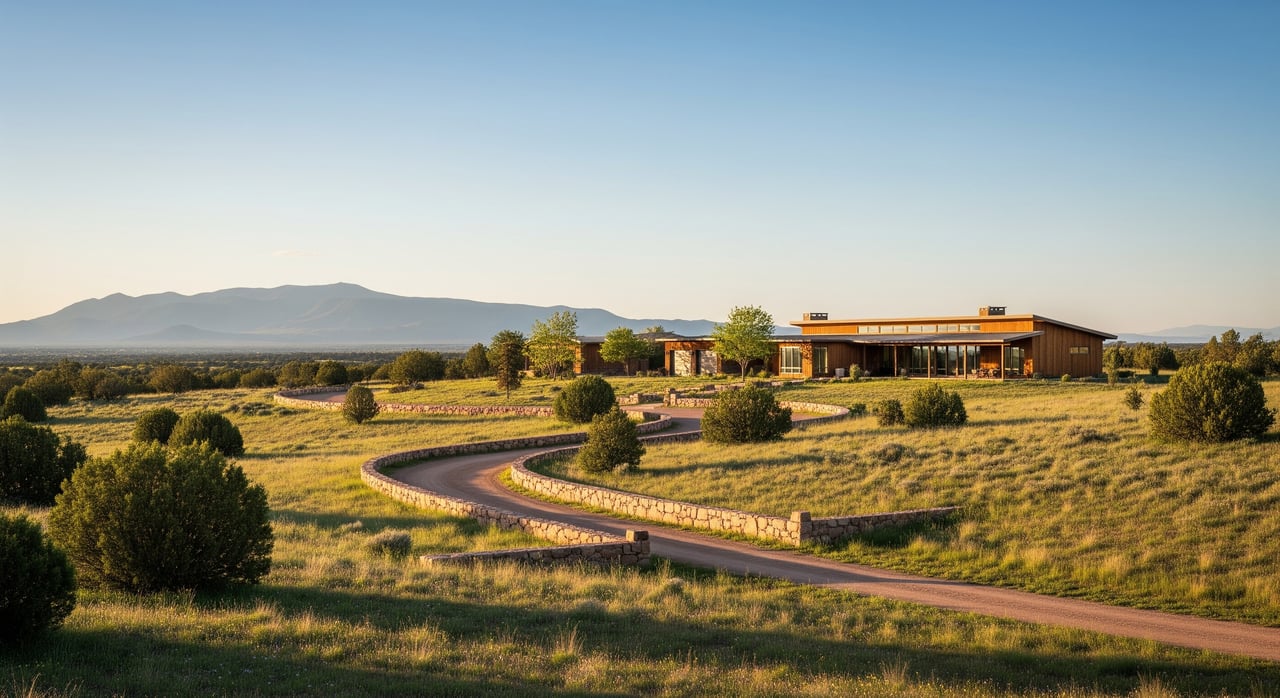
Thinking about selling your acreage in Morristown but not sure when to hit the market? Timing makes a real difference here. Heat, monsoon rains, and seasonal visitors all play a role in how many buyers will show up and how easy it is for them to tour your land. In this guide, you’ll learn the best months to list, how to get your property show-ready in a high-desert setting, and the marketing and paperwork that help rural acreage sell with confidence. Let’s dive in.
Best listing windows in Morristown
Late winter to spring
Late winter through spring, roughly February to May, is typically the strongest window. Buyer activity is higher and the land often looks its best. Temperatures are comfortable, roads are usually reliable, and out-of-area visitors are still in Arizona.
Early fall
October to November is a solid second season. After summer heat and storms, weather becomes mild again, which helps touring and photography. Many buyers return to travel routines in fall, so activity tends to pick up.
When winter works
Winter can be an effective time to reach seasonal and out-of-state buyers. These visitors often plan property tours while enjoying Arizona’s mild weather. If your acreage targets lifestyle or retreat buyers, a winter launch can align with their travel plans.
Times to avoid
The peak heat and monsoon stretch from July through September can slow showings and create access problems on unpaved roads. If your access becomes muddy or unreliable in wet weather, avoid your initial listing during this period and schedule showings in dry conditions.
Prep your acreage for showings
Ensure reliable access and parking
Buyers need to get in and out safely. Grade and stabilize driveways and entrances, especially if roads are unpaved. Post clear signage, share gate codes in advance, and set aside a safe parking area that can handle trucks and trailers.
Water, septic, power, and connectivity
Assemble well information, including any pump test results and available records. Gather septic inspection or service history, and note any capacity limits. Identify power availability and distance to transformers or pedestals, and be honest about internet and cell coverage. Buyers weigh these costs and conveniences when considering rural land.
Vegetation and defensible space
Create clean sightlines and a tidy first impression. Trim or remove dead brush near structures, and establish a defensible space consistent with Firewise recommendations. Simple cleanup and fuel reduction both photograph better and lower perceived risk.
Boundary clarity and tour routes
Make it easy for buyers to picture how they will use the land. Place stakes or markers where practical, and provide a recent survey or boundary sketch if you have one. Prepare a drivable route to must-see features like the well, outbuildings, high points, and view areas, and mark any hazards.
Desert curb appeal that sells land
Simple xeriscape upgrades
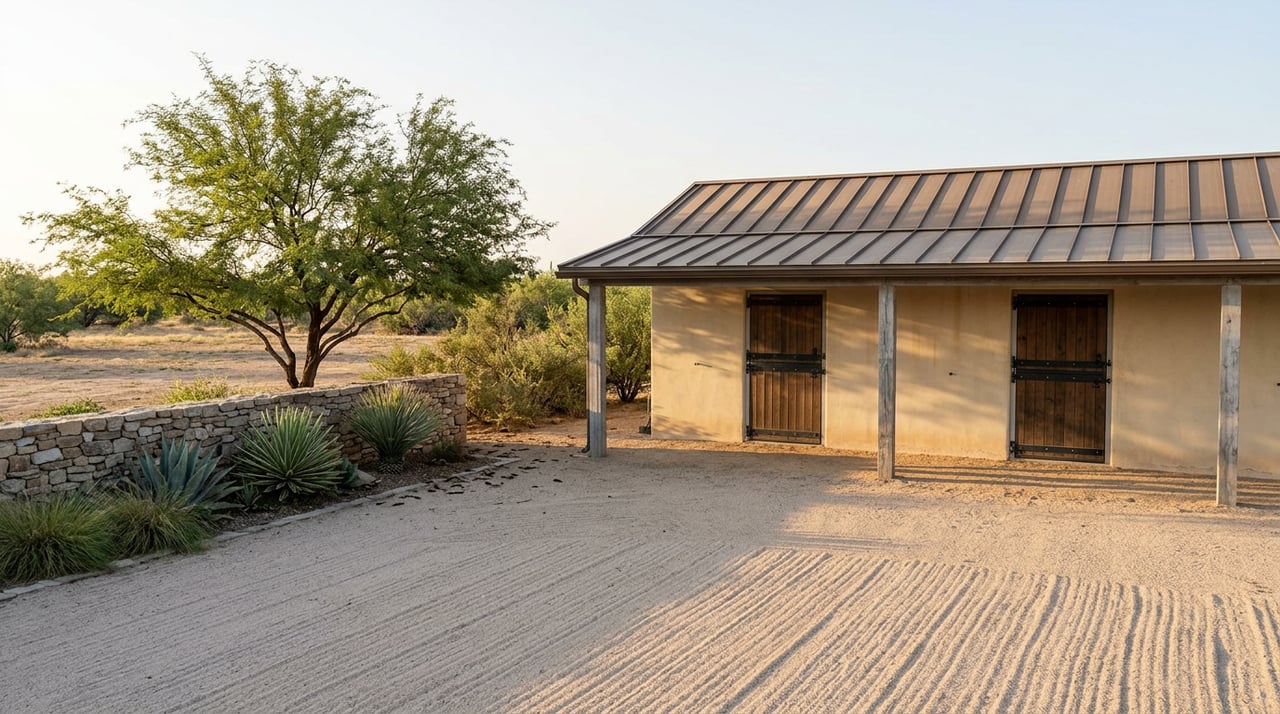
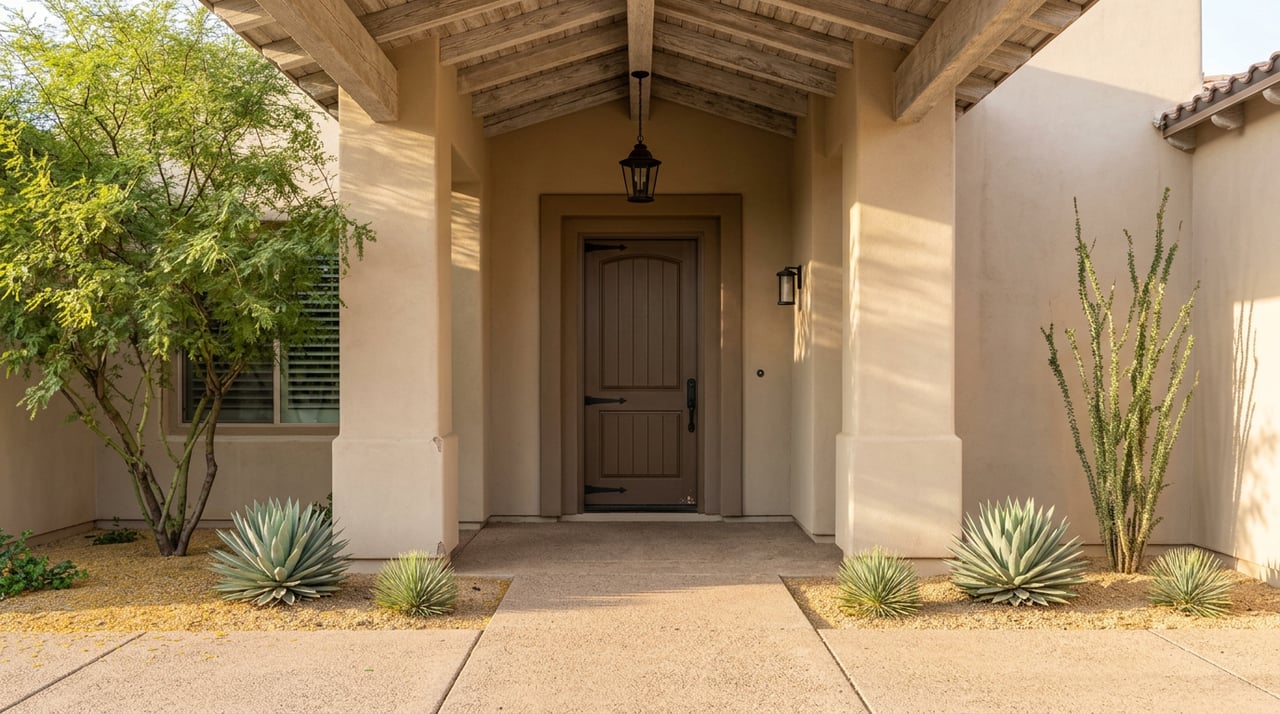
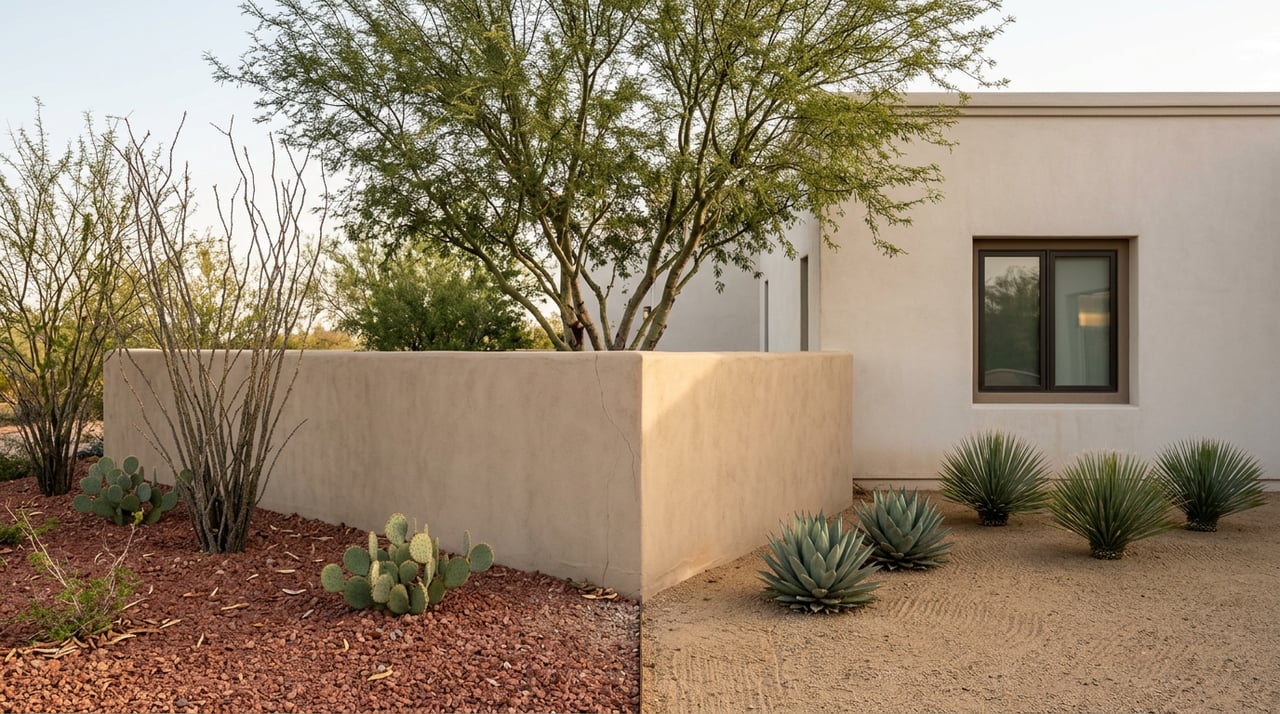
In our high-desert environment, drought-tolerant natives signal low maintenance and smart stewardship. Clean gravel lines, rock mulches, and trimmed native plants look crisp in photos. Focus on the first 30 to 50 feet around structures and along driveways where buyers will spend the most time.
Showcase usable acres
Not all acres are equal. If parts of your parcel include wash areas or steeper slopes, help buyers understand where the most usable ground is located. Plan photos and showing routes that highlight flat pads, working spaces, and potential build or pasture areas.
Marketing that fits rural acreage
Aerial media, done right
Drone photos and video can show parcel size, terrain, and proximity to roads and neighbors. If you choose aerial media, use a pilot who meets FAA Part 107 commercial requirements. Include overview shots that match a boundary overlay and closer looks at wells, barns, and view points.
Maps buyers expect
Provide an assessor parcel map, legal description, and any survey or boundary sketch you have. A simple topography or contour map helps buyers gauge slope and drainage. Show known utilities and easements so buyers can plan access, fencing, or future improvements with confidence.
Extra assets that add confidence
Short feature sheets are powerful. Include well depth or pump information if available, number of fenced areas, outbuildings, and any cross-fencing details. If you have basic cell coverage notes or internet options, include them. These specifics save buyers time and build trust.
Documents buyers expect in Yavapai County
Core file checklist
- Current deed and full legal description
- Survey or boundary sketch, if available
- Well records or pump test information, and any available groundwater records
- Septic permits and inspection or service history
- Road maintenance or access agreements and easements
- Any leases on the property, such as grazing or mineral
- HOA or covenant documents, if applicable
- Fire mitigation receipts or a simple summary of recent work
- Recent property tax information and known special assessments
Disclosure reminders
Arizona sellers typically complete a property disclosure form that covers known conditions such as water, septic, access, and easements. Buyers of acreage pay close attention to water availability, access rights, and permitted uses. Check county zoning to confirm what activities are allowed and any setback or animal-use limits that may apply.
A simple timing framework
- Evaluate access and weather vulnerability
- If your access is unpaved and gets muddy, avoid listing before or during monsoon. Schedule showings when the ground is firm.
- Identify your most likely buyer
- Lifestyle or seasonal buyers often tour in winter. Ranch or agricultural buyers may prefer spring or late fall when land use and forage are easier to assess.
- Complete site prep and paperwork
- Finish basic grading, defensible space, signage, boundary markers, and gather your well, septic, and access documents before launch.
- Choose your window
- If you can be ready by late winter, target February through May. If your buyer is seasonal, late fall or winter can be ideal. Skip the initial launch during peak heat and monsoon unless your access is excellent year-round.
Quick pre-list checklist
- Grade and stabilize the driveway and entry
- Update gate signage and share codes with your agent
- Clear a 30 to 100 foot defensible zone near structures
- Trim or remove dead brush and debris along driveways
- Stage a safe parking area for trucks and trailers
- Assemble parcel map, deed, survey or sketch
- Gather well records and septic inspection or service history
- Collect road agreements, easements, and any leases
- Create a one-page features sheet with utilities, fencing, and outbuildings
- Plan a photo route and showing route to key features
Ready to list your Morristown acreage?
You deserve a local advisor who understands desert timing, rural access, and what acreage buyers need to see. If you want a clear plan for when to list, how to present your land, and how to position it for serious buyers, connect with Wendy Wright. She pairs local expertise with professional marketing to help you move forward with confidence.
FAQs
When is the best month to list acreage in Morristown?
- February to May is typically strongest, with October to November as a solid second window. Winter can also work well for reaching seasonal out-of-area buyers.
Should I avoid listing during Arizona’s monsoon season?
- Yes, if your access is unpaved or gets muddy, avoid launching in July through September. Wet-weather access issues can reduce showings and buyer confidence.
What documents do acreage buyers expect in Yavapai County?
- Buyers look for parcel maps, legal descriptions, well and septic records, road or easement documents, any leases, and recent tax information, plus standard seller disclosures.
Do I need drone photos to sell rural land?
- Aerials help many acreage listings because they show size and terrain. If you use them, hire an FAA Part 107-certified pilot and pair the media with a clear boundary map.
How do I improve desert curb appeal without high water use?
- Focus on trimming and cleanup, add clear gravel lines or rock mulch, and highlight drought-tolerant native plants. Create defensible space near structures for both safety and presentation.