Thinking about buying a historic home in Wickenburg? You are not alone. For many buyers, the appeal is easy to understand: character, craftsmanship, and a connection to one of Arizona’s oldest towns. The key is knowing what makes these homes special and what extra homework they may require before you buy. Let’s dive in.
Why Wickenburg Historic Homes Stand Out
Wickenburg was founded in 1863, and its early growth still shapes the town today. The local historic story is centered around a compact downtown core with landmarks like the Santa Fe Depot, the Jail Tree, and the town’s historic walking tour, all of which help show how the community developed over time. You can explore that context through the Town of Wickenburg’s history resources and the local walking tour materials.
What makes Wickenburg especially interesting is that its historic properties are not limited to one street or one look. National Register records show a mix of residential, civic, and commercial buildings on and around Frontier, Tegner, Washington, Yavapai, Apache, and nearby streets. That means when you shop for a historic home here, you are often looking at a varied small-town historic core rather than a single planned district.
What Types of Historic Homes You May See
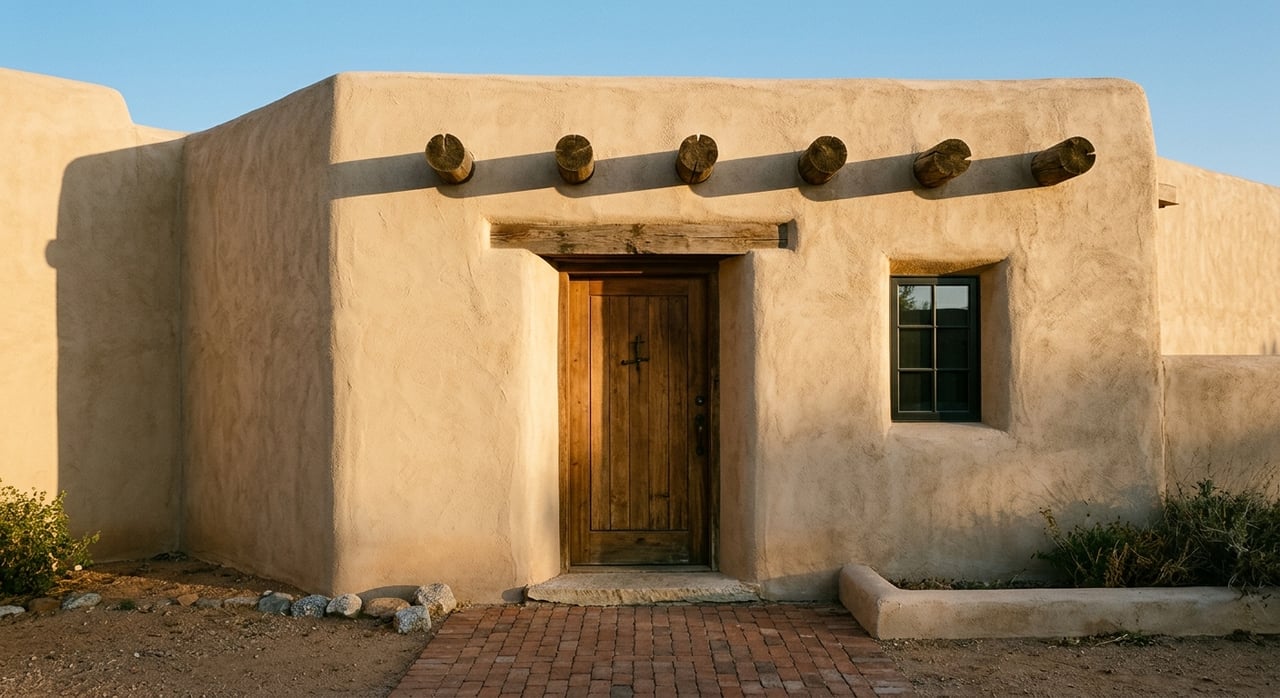
Wickenburg’s older homes reflect several architectural styles from the late 19th and early 20th centuries. Some are simple adobe homes with local vernacular design, while others show influences from Bungalow/Craftsman, Colonial Revival, Neo-Colonial, and other revival styles documented in National Register materials.
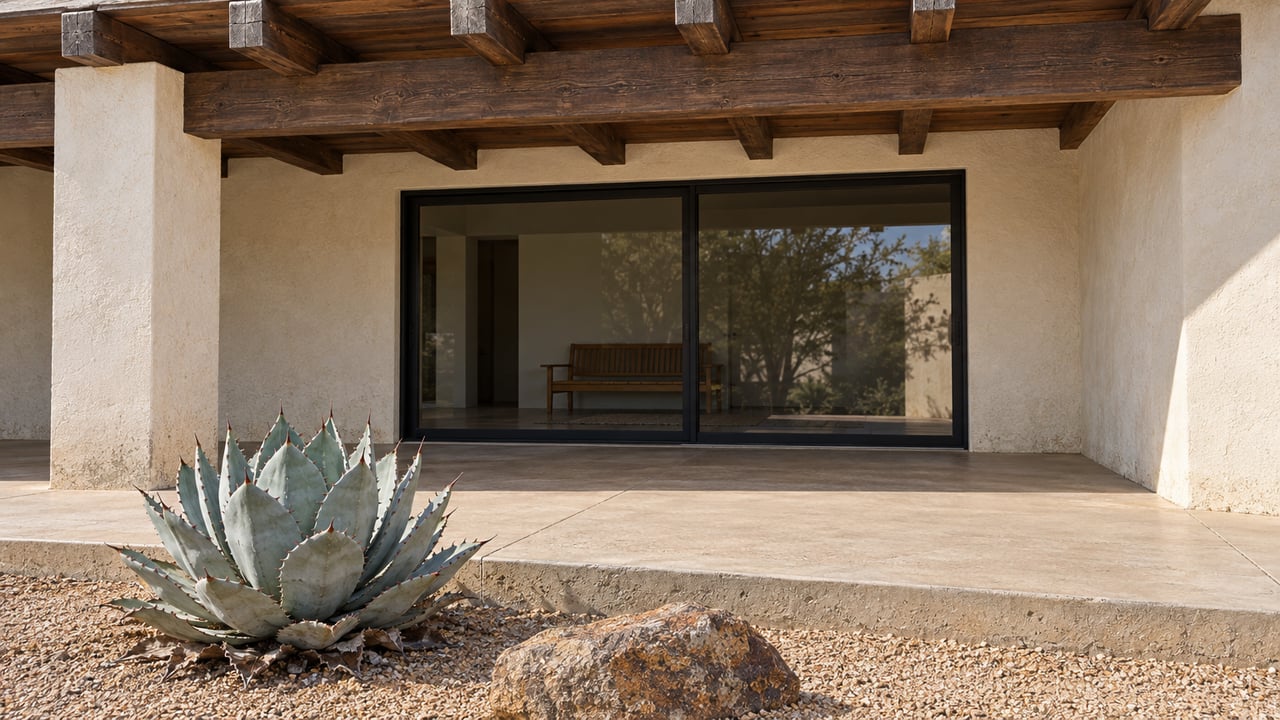
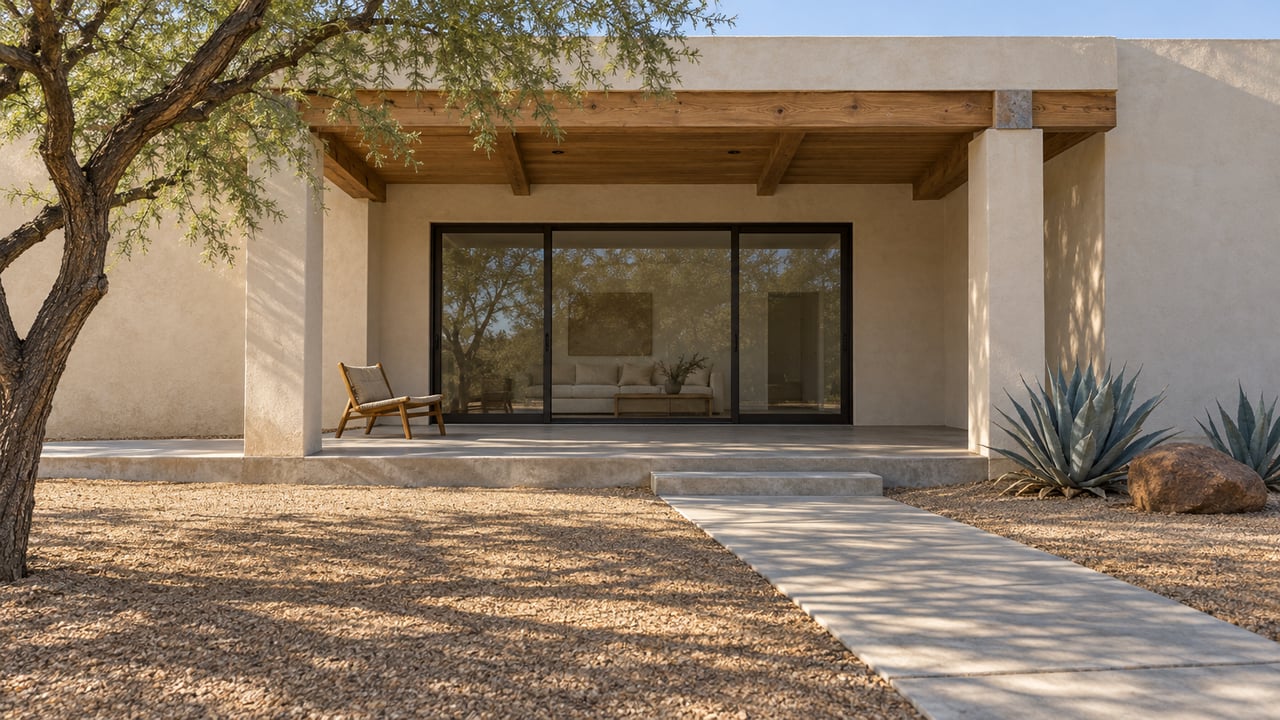
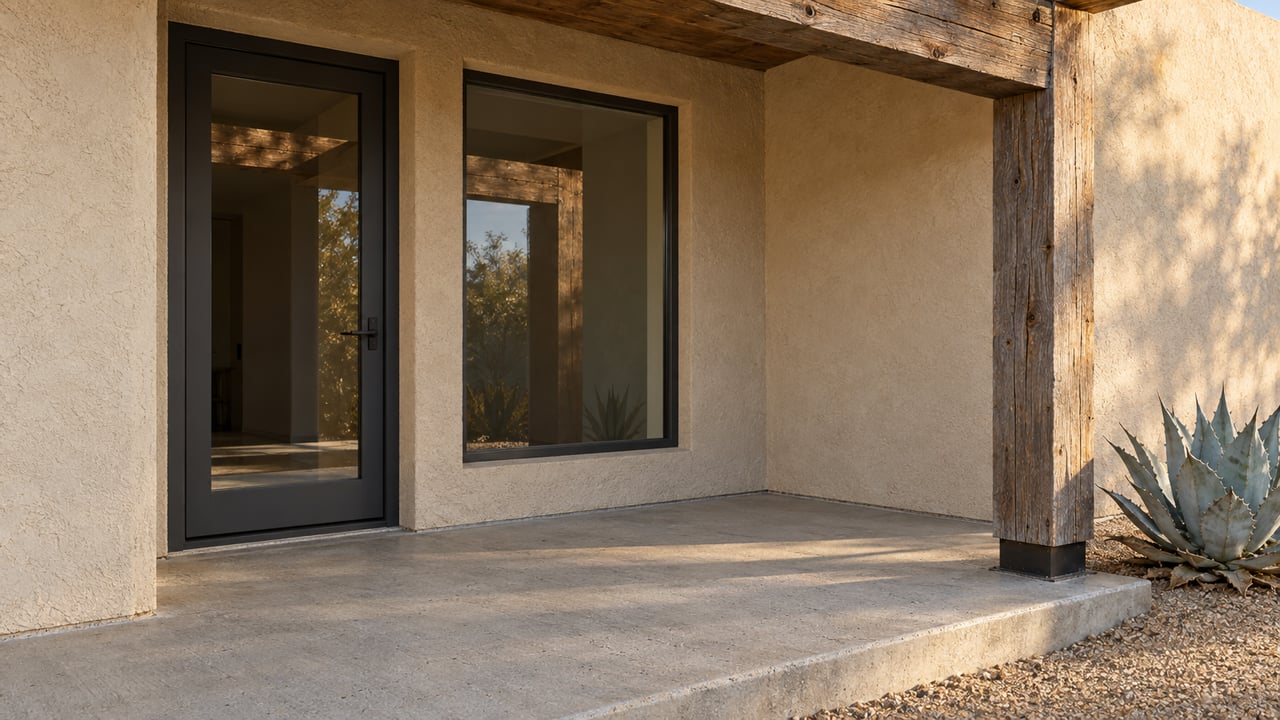
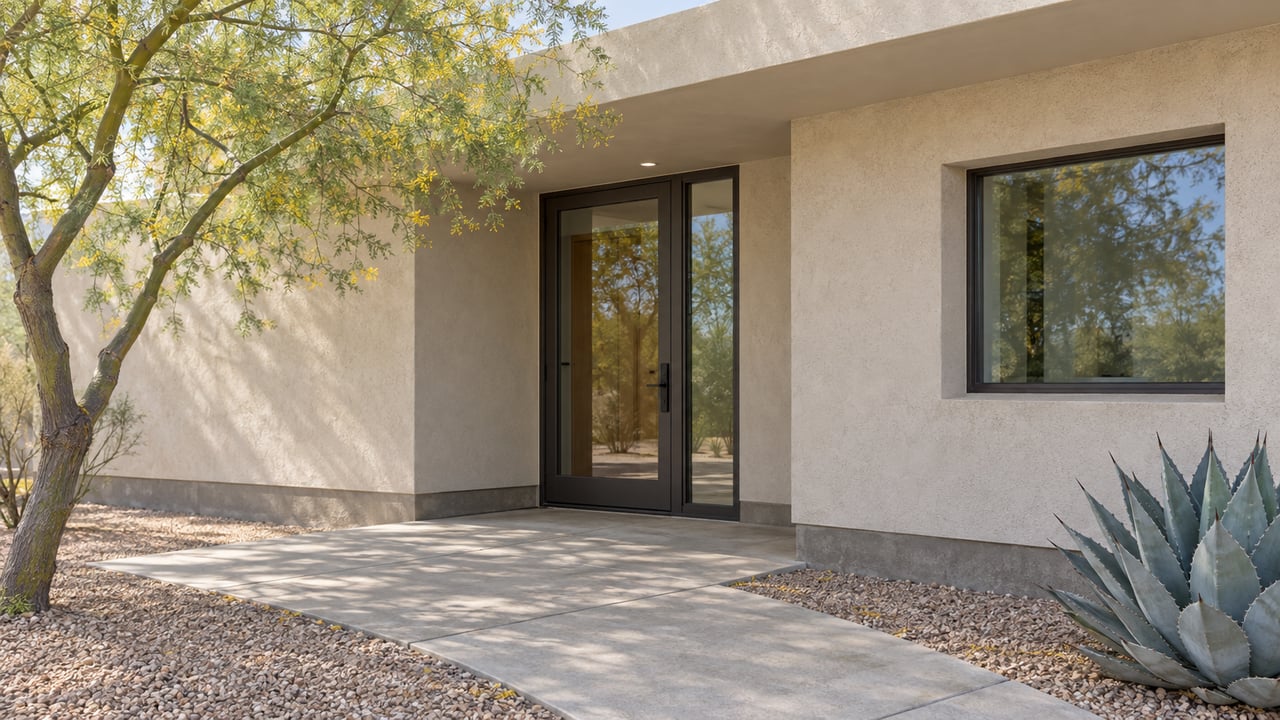
In practical terms, you may come across homes with adobe walls, stucco exteriors, exposed rafters, wood trim, parapets, rusticated concrete block, or brick and concrete-frame construction. Some properties have been well maintained, while others may show deferred maintenance or older systems. A historic look does not always mean move-in ready.
Common features buyers may notice
- Adobe or stucco exterior walls
- Original or older wood trim
- Deep porches or shaded entries
- Exposed rafter tails
- Older windows and doors
- Unique rooflines and parapets
- Materials that may require specialized repair
Why Condition Matters More Than Style
One of the biggest mistakes buyers make is focusing only on charm. In Wickenburg, the historic record shows wide variation in both materials and condition. Some properties are documented as being in excellent condition, while others were noted as fair or deteriorated.
That matters because older homes often come with more than cosmetic decisions. Roof work, stucco or adobe repairs, window restoration, trim replacement, and system updates can all affect your budget. If you love historic character, it helps to go in with a plan for both immediate repairs and long-term upkeep.
How Wickenburg Codes Affect Historic Homes
Historic homes still have to function safely today. Wickenburg’s permit materials show that the town uses the 2018 building, residential, mechanical, fire, and plumbing codes, along with the 2017 National Electrical Code and the 2006 Energy Conservation Code. You can confirm current requirements through the Town of Wickenburg Permit Center and the town’s permit process brochure.
There is an important detail for buyers of historic property. Alterations and additions to a historic building are exempt from the International Energy Conservation Code, but that does not mean historic homes are exempt from modern safety standards. Older homes may still need electrical, plumbing, structural, or fire-safety improvements depending on the work being done.
Flexibility exists, but not without limits
Wickenburg’s property-maintenance rules apply to buildings regardless of age. The town requires visible building elements like roofs and exterior surfaces to remain sound and free of blight, and the building official may allow modifications when strict compliance is impractical, as long as health, accessibility, fire, and structural safety are not reduced.
For buyers, that means historic ownership can involve a balance. You may have some preservation-friendly flexibility, but you should not expect a free pass on safety or condition issues.
Permits and Renovation Questions to Ask Early
Before you close on a historic home, it helps to understand what work may need permits. According to the town, projects like roof replacement, additions, electrical work, plumbing, gas-line work, mechanical work, demolition, and barrier fencing generally require permits. Many cosmetic and non-structural repairs do not.
That distinction matters if you are buying a home with plans to update it right away. If the property needs more than paint and flooring, you should verify what approvals may be needed and how that affects your timeline.
Ask these due-diligence questions
- What repairs or upgrades have been completed, and were permits pulled if required?
- Are the roof, electrical, plumbing, and HVAC systems still serviceable?
- Are any exterior materials original or historically significant?
- Will planned renovations require town approval?
- Is the home connected to sewer, or does it use septic?
Septic Can Be a Big Detail
Some older homes are not connected to municipal sewer. Wickenburg’s permit brochure notes that septic systems are handled by the county, not the town. If a property has septic, you may need to work through Maricopa County’s Permit Center and environmental services resources.
This is one of those details that can easily be missed during the excitement of buying a character home. If the property is older, ask early about the wastewater setup, maintenance history, and whether any county-side permits or inspections may be relevant.
Historic Tax Credits: What Buyers Should Know
Many buyers hear “historic home” and immediately think tax credits. In Arizona, the federal historic rehabilitation tax credit is worth 20% of qualified rehab expenses, but it only applies to certified historic buildings that are income-producing. Owner-occupied residential homes do not qualify.
That is an important reality check if you are planning to live in the home full time. You can learn more through the Arizona State Parks SHPO historic tax credit page, which also explains how rehabilitation plans are reviewed for compliance with preservation standards.
Insurance Can Cost More on Older Homes
Insurance deserves extra attention when you buy a historic home. Consumer guidance from the NAIC notes that older homes can cost more to insure, especially when they have outdated plumbing or electrical systems, older roofs, or custom historic features. Roof age can also matter, and some insurers may inspect older roofs or handle them differently once they reach about 20 years of age.
For buyers, this means insurance should be part of your budget conversation early, not a last-minute task before closing. If a home has older systems or distinctive materials, ask for quotes as soon as possible so you understand the full ownership cost.
Flood and Wildfire Risk Deserve a Closer Look
Standard homeowners insurance does not cover flood damage. The Arizona Department of Insurance explains that flood insurance is a separate policy, usually purchased through the National Flood Insurance Program, and there is generally a 30-day waiting period before a new flood policy takes effect. If flood exposure is a concern, do not wait until the final week before closing to explore coverage.
Wickenburg also notes on its hazard-mitigation planning that the town is addressing both flood and wildfire risk. That makes resilience a smart part of your due diligence, especially with older homes that may have aging roofs, vents, windows, or exterior materials.
Smart Buying Strategy for a Wickenburg Historic Home
If you are serious about buying a historic home in Wickenburg, the best approach is to combine emotion with discipline. It is fine to fall in love with the architecture or the setting, but your decision should also be grounded in inspections, permit history, insurance costs, and realistic renovation planning.
A few practical steps can help:
- Tour the home with both character and condition in mind.
- Review likely repairs before you make renovation assumptions.
- Confirm permit and code questions with the town.
- Ask about sewer versus septic early.
- Get insurance and, if needed, flood-coverage quotes early in escrow.
- Budget for preservation-minded repairs instead of simple modern replacements.
Local Knowledge Makes a Difference
Historic homes are never one-size-fits-all, and that is especially true in Wickenburg. One property may be a well-kept adobe bungalow near the historic core, while another may need a more careful plan for repairs, permits, or insurability. The more local context you have, the better you can judge whether a home is the right fit for your goals, timeline, and budget.
If you are considering a historic home in Wickenburg and want practical guidance on neighborhoods, property condition, and what to watch for before you make an offer, Wendy Wright can help you navigate the process with the kind of local insight that only comes from deep roots in the community.
FAQs
What makes a home historic in Wickenburg, Arizona?
- In Wickenburg, historic significance is tied to the town’s older core and documented early buildings, with National Register records showing a mix of residential, civic, and commercial properties on and around streets like Frontier, Tegner, Washington, Yavapai, and Apache.
What architectural styles appear in Wickenburg historic homes?
- Buyers may see adobe vernacular homes, Sonoran Transitional influences, Bungalow/Craftsman details, Colonial Revival, Neo-Colonial, and other revival-era styles in Wickenburg’s older housing stock.
Do historic homes in Wickenburg need permits for renovations?
- Yes, many larger projects such as roof replacement, additions, electrical, plumbing, gas-line, mechanical, demolition, and barrier fencing generally require permits through the Town of Wickenburg.
Do owner-occupied historic homes in Arizona qualify for the federal tax credit?
- No, the federal historic rehabilitation tax credit applies to certified historic buildings that are income-producing, not owner-occupied residential homes.
Are older homes in Wickenburg more expensive to insure?
- They can be, especially if they have older roofs, outdated electrical or plumbing systems, or custom historic features that may increase replacement or repair costs.
Do Wickenburg historic homes need flood insurance?
- Flood insurance depends on the property and risk profile, but standard homeowners insurance does not cover flood damage, and separate flood coverage usually has a 30-day waiting period before it takes effect.