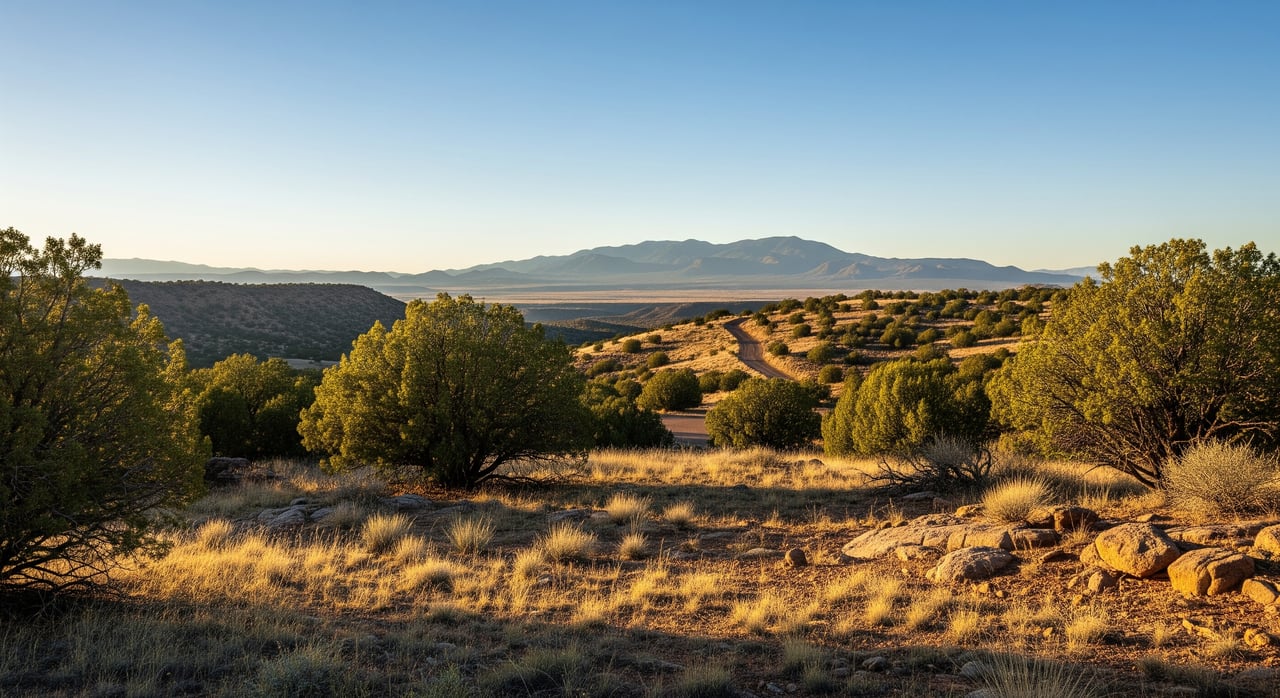
Ever dream of owning wide-open desert acreage where you set the pace? Buying vacant land in Congress, just north of Wickenburg, is exciting, but it takes a different checklist than buying a house. You want clear access, water and septic feasibility, and confidence that you can build or use the land as planned. This guide walks you through the key steps, common pitfalls, and a simple due diligence plan tailored to Congress and Yavapai County. Let’s dive in.
Why Congress land appeals
Congress offers a rural-residential lifestyle with a mix of small home sites, larger ranch parcels, and some legacy mining claims. Many parcels do not have municipal water or sewer, so planning for utilities is part of the process. Buyers are often seeking a future homesite, seasonal or recreational use, or a long-term land investment.
Access: legal vs physical
A road you can drive today is not the same as recorded legal access. You need both to protect your investment and to pull permits later.
Verify recorded access
- Confirm whether the parcel fronts a public or county-maintained road, or if a private easement provides legal access.
- Review the vesting deed, title report, and any recorded plats or easements for access rights.
- Ask Yavapai County Public Works about road maintenance status. Many rural roads are private or not maintained.
Watch for common access issues
- “Paper roads” that show on maps but were never improved.
- Shared private roads with unclear maintenance agreements or no HOA oversight.
- Utility or right-of-way easements across the parcel that limit buildable areas.
Do on-site access checks
- Locate property corners and monuments. Hire a licensed surveyor if corners are missing or unclear.
- Confirm gates, fences, or cattle guards along the route are consistent with your access rights.
- Assess approach conditions like washes or steep grades that could need driveway or culvert work.
Boundaries, surveys, and title
Clear boundaries and clean title help you avoid disputes and delays.
Order the right survey
- Get a current, stamped boundary survey if there is any uncertainty. An ALTA/NSPS or state-standard boundary survey can reveal encroachments and easements.
- If you plan to build, a topographic or site survey can speed up permitting.
Review title and encumbrances
- Order a full title search and owner’s title insurance.
- Look for CC&Rs, liens, tax issues, access easements, and any mineral reservations or historical mining claims.
- Parcels created by older metes-and-bounds descriptions benefit from extra boundary verification.
Water options in Congress
Many rural parcels rely on private solutions. Plan your water early, since it affects septic design, power needs, and long-term costs.
Wells and ADWR basics
- Arizona distinguishes between permitted and “exempt” wells. Contact the Arizona Department of Water Resources to confirm current rules and any registration steps.
- Well depth and yield vary widely. Neighboring well data can inform but does not guarantee your results.
- Drilling costs can range from several thousand to tens of thousands of dollars depending on depth and conditions. Budget conservatively and review any existing well logs or pump tests.
Hauled water and storage
- Many owners use water hauling with cistern storage when a well is not feasible. Plan for storage capacity and delivery logistics.
- Confirm county and state requirements if hauled water will be your primary supply.
Other options to explore
- Rainwater capture and storage may supplement other sources, subject to applicable rules.
- In limited cases, a nearby public water system might be available. Verify service areas before you rely on this option.
Septic systems and soils
On-site wastewater systems are common in Congress, but site suitability matters.
County permitting
- Yavapai County’s on-site wastewater program permits septic systems. Design depends on percolation, depth to bedrock, slope, and lot size.
- A perc test or soil profile is typically required prior to a septic permit.
Practical steps
- Order a perc test early in your due diligence if you plan to build.
- If standard septic is not feasible, alternatives such as advanced treatment systems or composting options may be possible, subject to county approval.
Power, propane, and communications
You have options, from extending grid power to building an off-grid system.
Electric service
- Extending power lines can be costly over distance. Ask the local utility for line extension policies, cost estimates, and timelines.
- Get written quotes during the contingency period so you can budget accurately.
Off-grid and fuel
- Solar with battery storage is common for rural properties. Many owners plan a generator for backup.
- Expect propane for cooking, water heating, and space heating. Local suppliers can install tanks and set up delivery.
Internet and phone
- Cell service can be spotty. Consider fixed wireless or satellite options for internet and phone when needed.
Zoning, permits, and hazards
Understand what you can build and where before you buy.
Zoning and building permits
- Yavapai County Planning and Zoning defines allowed uses, minimum lot sizes, setbacks, and rules for manufactured homes.
- Building permits are required for most structures. Ask the county about permit triggers and submittal needs.
Flood and drainage
- Check FEMA flood maps and county floodplain maps. Parcels in mapped floodplains may need additional permits or flood-proofing.
Wildfire and safety
- The Congress area has wildfire risk. Verify any fire district coverage and plan for defensible space, brush clearance, and emergency access.
Environmental considerations
- In some areas, habitat or riparian protections can affect development. Check state and federal resources if your parcel is near sensitive areas.
Financing, insurance, and taxes
Vacant land is financed and insured differently than a home.
Loan basics
- Land loans often require higher down payments and rates than home mortgages. Down payments commonly range from 20 to 50 percent depending on the lender and use.
- Some banks and credit unions offer rural land loans. Portfolio loans and seller financing can be options.
Insurance and ongoing costs
- Standard homeowners insurance usually applies after you build. Consider vacant-land liability coverage in the meantime.
- Wildfire risk can affect insurance costs once a home is present.
- Budget for road maintenance fees, association dues, water hauling, propane, and any utility standby charges.
Property taxes
- Check with the Yavapai County Assessor for parcel tax history, current rates, and any special assessments or improvement districts.
Due diligence checklist
Use this simple sequence to stay on track.
Before you make an offer
- Verify the legal description and review county GIS or parcel maps.
- Confirm zoning and any overlays with Yavapai County Planning and Zoning.
- Determine recorded access from deed, easements, and county road records.
- Order a preliminary title report and review exceptions.
- Request any existing surveys, well logs, septic permits, and utility info from the seller.
- Walk the property and document boundaries, access routes, and potential building sites.
Write your offer with smart contingencies
- Boundary survey or corner verification by a licensed surveyor.
- Title commitment with acceptable exceptions and owner’s title insurance.
- Septic suitability via perc test or soil report if you plan to build.
- Water plan: well feasibility or acceptable hauled water solution.
- Power availability verification or an off-grid plan.
During the contingency period
- Commission a boundary survey or stakeout if corners are unclear.
- Complete perc testing and a topographic survey if you plan a home.
- Confirm well rules and any registration steps with ADWR.
- Get written quotes from utility providers for power extension or connection.
- Check FEMA and county floodplain maps and obtain a flood determination if a lender requires it.
- Review CC&Rs, mineral reservations, and any recorded mining claims.
- Schedule a county pre-application meeting to map permit requirements and timelines.
Final steps to close
- Confirm property tax status and any assessments.
- Close with a clear title policy and ensure the deed conveys intended rights, including any well or permit transfers.
Red flags to avoid
- No recorded legal access, only a drivable track.
- Poor perc results or shallow bedrock that prevents septic approval.
- Unclear or non-transferable well rights, or low neighboring well yields.
- High costs to extend power or build a compliant driveway.
- Recorded mining claims or hazards that affect safety or use.
- CC&Rs that limit your intended recreational or construction plans.
- Lender unwillingness to finance unless you bring a large down payment.
Work with a local land specialist
Buying land in Congress is about making smart, early decisions. Focus first on access, boundaries, water, and septic, then price out power and permitting so there are no surprises. If you want a hands-on local guide backed by CENTURY 21 systems, deep Wickenburg-area ties, and proven results, connect with Wendy Wright. She helps you navigate the details, line up the right experts, and close with confidence.
FAQs
How do you confirm legal access to a Congress parcel?
- Review the deed, title report, and recorded easements, then verify road status with Yavapai County Public Works to confirm public, county-maintained, or private access.
Can you drill a well on rural land in Yavapai County?
- Contact ADWR to confirm current rules for wells and registration; well depth and yield vary by site, so plan budgets conservatively and review any available well logs.
What determines septic approval near Congress, AZ?
- Yavapai County evaluates soil percolation, depth to bedrock, slope, setbacks, and lot size; a perc test or soil profile is typically required before permit approval.
How much does it cost to bring power to acreage?
- Costs depend on distance and terrain; request written line extension estimates from the local electric utility during your contingency period.
Are mining claims a concern around Congress?
- They can be. Title work and county or BLM records can reveal historical mining claims or mineral reservations that may affect rights or safety.
What are common financing options for vacant land?
- Banks and credit unions may offer land loans with higher down payments, while portfolio loans and seller financing are alternatives depending on the parcel and your plans.