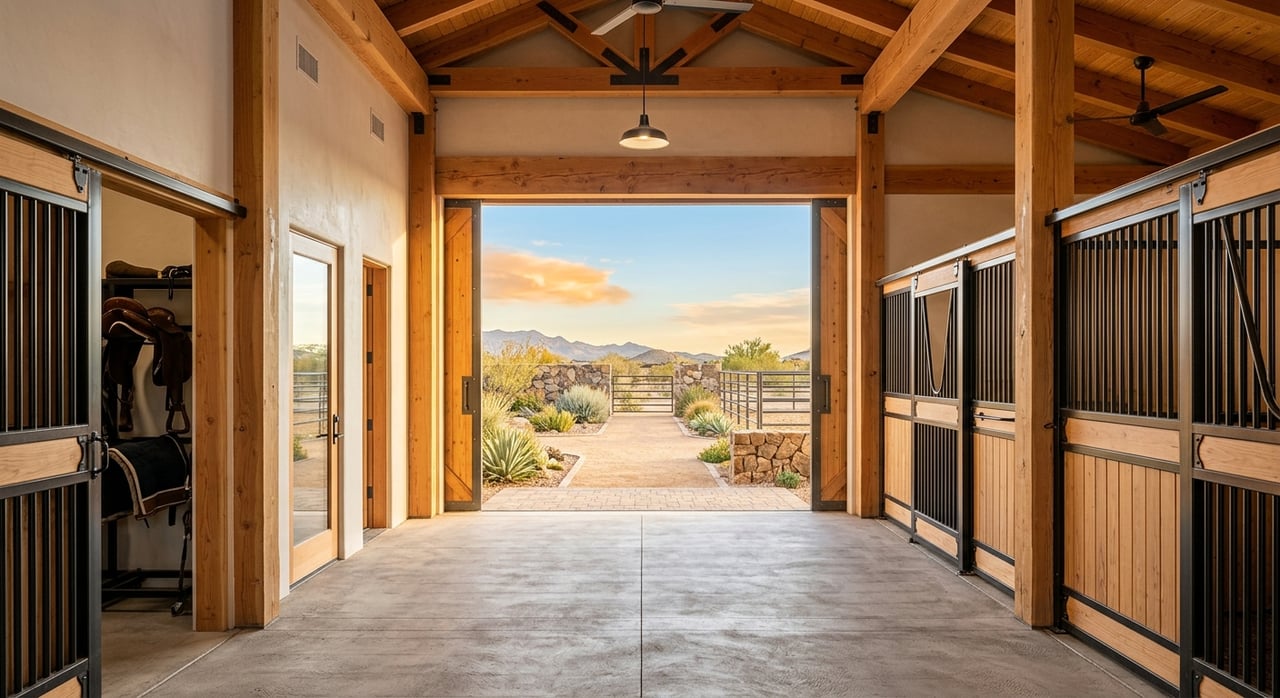
Selling a horse property in Wittmann is not the same as selling a typical house on a suburban lot. Buyers are not just looking at the home. They are also studying the arena, stalls, fencing, turnout layout, trailer access, water setup, and whether the property appears well cared for and properly documented. If you want fewer surprises and a stronger first impression, it helps to prepare with both presentation and paperwork in mind. Let’s dive in.
Start With Buyer Priorities
In Wittmann, horse property buyers often focus on the same core features. Local listings regularly call out arena space, corrals, tack rooms, stalls, hay storage, pipe fencing, turnout areas, and trailer-friendly circulation. That means your prep work should make those features easy to see and easy to understand.
Before you think about décor or small cosmetic updates, walk the property like a buyer would. Ask yourself whether someone can quickly tell how the property functions for horses, equipment, and daily use. If the answer is no, your first goal is clarity.
Make Horse Facilities Look Functional
Clean Barns And Tack Rooms
Barns and tack rooms should feel organized, bright, and useful. Clear out extra feed, old tools, unused supplements, and personal items so buyers can see the actual size and storage potential of the space.
Replace burned-out lights and label storage areas where it makes sense. Buyers want to understand how tack, hay, grooming supplies, and trailer gear fit on the property. A neat setup helps them picture moving in and getting to work right away.
Refresh Arenas And Turnouts
If you have an arena, make sure it looks maintained. Drag or grade the surface, address obvious footing issues, mow weeds, and check that the space reads as intentional rather than neglected.
Turnout areas and pens should also be easy to identify. Buyers should not have to guess where horses are exercised, separated, or brought in from the field. When the layout is clear, the property feels more usable.
Check Gates, Corrals, And Fencing
Test every gate and latch before photos or showings. Fix sagging sections, tighten hardware, and clean up areas around corrals and fence lines so the property presents as cared for.
In Wittmann, fencing and corrals are not minor details. Buyers often treat them as central features of the property. When these areas look solid and well maintained, they help support confidence in the rest of the setup.
Verify Improvements Before Listing
Presentation matters, but documentation matters just as much. In unincorporated Maricopa County, building permits are required for all structures except those under 200 square feet that have no electrical, plumbing, or mechanical components.
That means barns, sheds, wall extensions, and similar additions may need to be verified before you go to market. Detached accessory buildings also have setback and yard-coverage limits, and fence or corral work can trigger zoning, drainage, or floodplain review.
Understand Corral Rules
Maricopa County guidance says corrals for unattended horses in residential zoning districts must be set back 40 feet from property lines. The county also requires at least 1,200 square feet per horse in those corrals.
If your setup has changed over time, now is the time to confirm that what exists on the property lines up with county requirements. This can help you answer buyer questions early and avoid delays later.
Confirm The Property’s Use
If your property has been used for more than private horse keeping, zoning review is especially important. Maricopa County says limited equestrian uses may be accessory to a single-family residence in rural districts, but uses such as boarding six or more horses, riding lessons not tied to boarding, horse rentals, off-site trail rides, and event-style arena uses may require special-use approval or may not qualify as accessory uses.
Even if you never marketed the property as a business, buyers may ask what it can legally support. Having that information ready can make your listing feel more credible and complete.
Gather Water And Septic Records
For many Wittmann horse properties, utility records are a major part of buyer due diligence. If your property uses a private well, collect the well registration number, well report or driller’s log if available, pump or service records, and any well-share agreement.
The Arizona Department of Water Resources maintains a well registry, and the agency says a 55-71A request should be filed when well ownership changes so records stay current. ADWR also notes that well-share agreements are private contracts, and water quality can be tested through Arizona Department of Health Services certified labs.
Prepare Septic Documents Early
If your property uses septic, Arizona’s transfer program requires a qualified inspection within six months before transfer. The seller must provide the buyer with the Report of Inspection and any septic documents in the seller’s possession.
Maricopa County repeats that same ownership-transfer requirement. Because this step is time-sensitive, it is smart to plan ahead instead of waiting until you are already under contract.
Organize Access And Acreage Details
Horse property buyers often look beyond the home and facilities to understand how the parcel is actually serviced. The Arizona Department of Real Estate tells buyers to confirm the water supply, legal access, and public-report information before signing on acreage and vacant land purchases.
For you as a seller, that means gathering plats, easement information, utility contacts, and any records that explain how the parcel is reached and supported. If trailer access or turnaround space is a selling point, make that easy to see in person and in your marketing materials.
Be Ready For Disclosure Questions
Arizona guidance says buyers should receive a Seller’s Property Disclosure Statement, and sellers must disclose known material facts and latent defects. On a horse property, that often includes issues with fencing, barns, drainage, septic, well equipment, and unpermitted improvements or repairs.
This is one reason pre-listing prep is so valuable. When you identify issues early, you have more control over how to address them, document them, or disclose them clearly.
Stage For Safe Showings
A good showing is not just attractive. It is also safe and easy to navigate. On showing day, remove horses and pets from buyer traffic when possible, secure gates and aisleways, and store medications and sharp tools out of sight.
You should also make trailer access, turnarounds, and parking easy to understand. Buyers in this market often care about circulation just as much as the structures themselves. If they can quickly see how a truck and trailer move through the property, the showing feels smoother and more complete.
Focus On Turnkey And Compliant
In Wittmann, the strongest horse property listings usually do more than look clean. They feel turnkey, documented, and clearly compliant with the local rural and equestrian framework.
That matters because Maricopa County’s planning materials describe a large rural area where future growth must still account for transportation, water capacity, and the protection of rural communities and viewsheds. Buyers often respond well when a property feels prepared for that reality rather than loosely pieced together.
A Simple Pre-Listing Checklist
If you want a practical place to start, focus on these steps:
- Clean and organize barns, tack rooms, and storage spaces
- Refresh arena footing and tidy pens and turnout areas
- Repair gates, latches, and visible fencing issues
- Verify permits or approvals for barns, sheds, fences, and other improvements
- Confirm zoning if the property has been used beyond private horse keeping
- Gather well records, service history, and any well-share documents
- Schedule the required septic inspection within the allowed timeline
- Organize plats, easement details, and utility information
- Review known issues that may need to be disclosed
- Prepare a safe, easy-to-follow showing layout for buyers
Selling a horse property takes more than putting a sign in the yard. It takes local knowledge, careful preparation, and a clear strategy for showing buyers how the land and improvements really work together. If you are getting ready to sell in Wittmann, working with someone who understands rural and equestrian property can help you prepare with confidence. When you are ready for a local, hands-on plan, connect with Wendy Wright.
FAQs
What should sellers fix first on a Wittmann horse property?
- Start with the features horse-property buyers notice most, including barns, tack rooms, arenas, turnout areas, gates, corrals, and fencing. Clean, repair, and organize these areas before focusing on smaller cosmetic details.
What permits matter when selling a horse property in Wittmann?
- In unincorporated Maricopa County, many structures require permits unless they are under 200 square feet and have no electrical, plumbing, or mechanical components. Sellers should verify barns, sheds, wall extensions, fences, and related improvements before listing.
What zoning questions do Wittmann horse property buyers ask?
- Buyers often ask how many horses the property can support, whether the use is limited to private horse keeping, and whether boarding, training, lessons, or event-style uses are allowed under current zoning.
What well records should Wittmann sellers collect?
- Gather the well registration number, well report or driller’s log if available, pump or service records, and any well-share agreement so buyers have a clearer picture of the water setup.
What septic rule applies when selling a Wittmann horse property?
- Arizona requires a qualified septic inspection within six months before transfer, and the seller must provide the buyer with the Report of Inspection and any septic documents the seller has.
How should sellers handle horses during Wittmann property showings?
- The safest approach is usually to remove horses and pets from buyer traffic, secure gates and aisleways, store medications and sharp tools, and make trailer access and parking easy to follow.