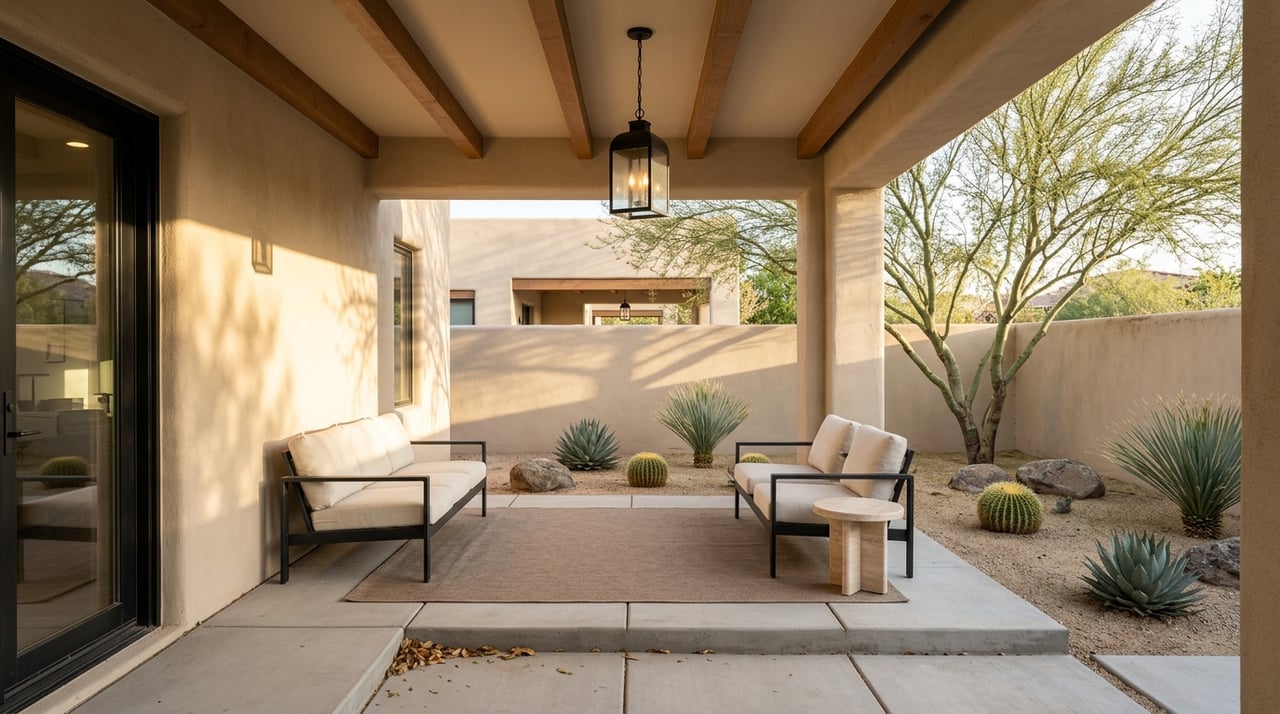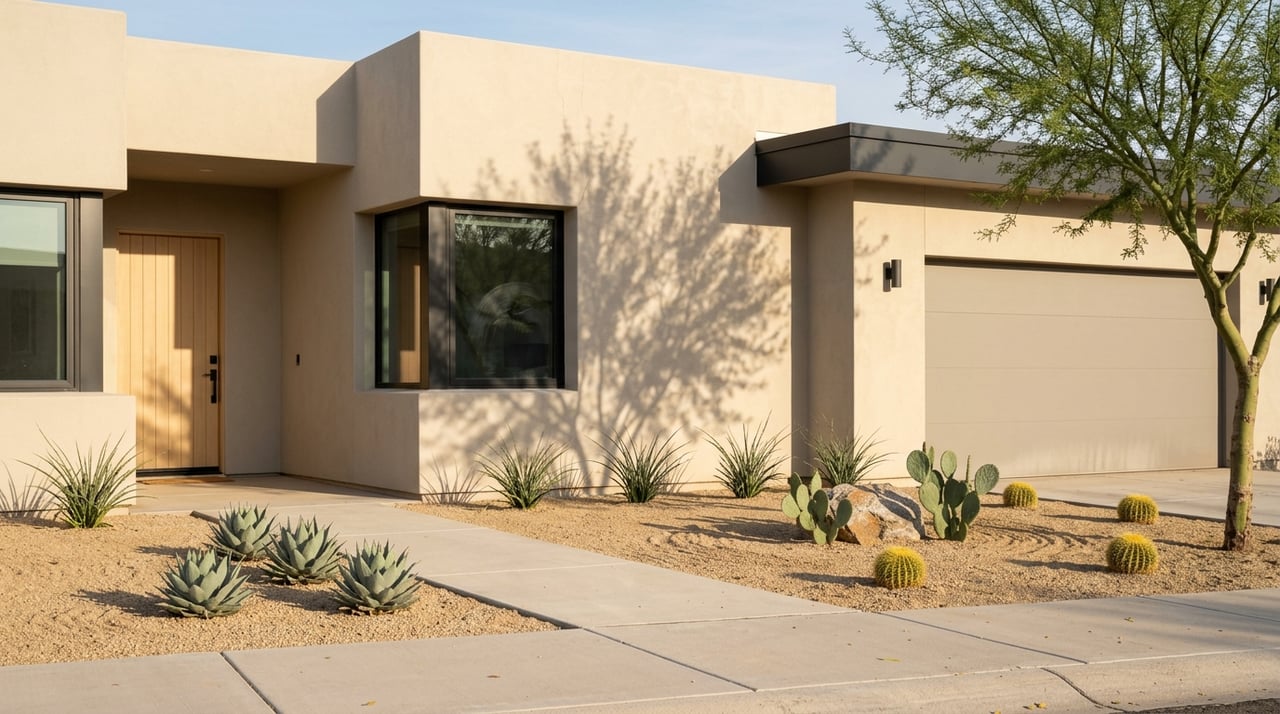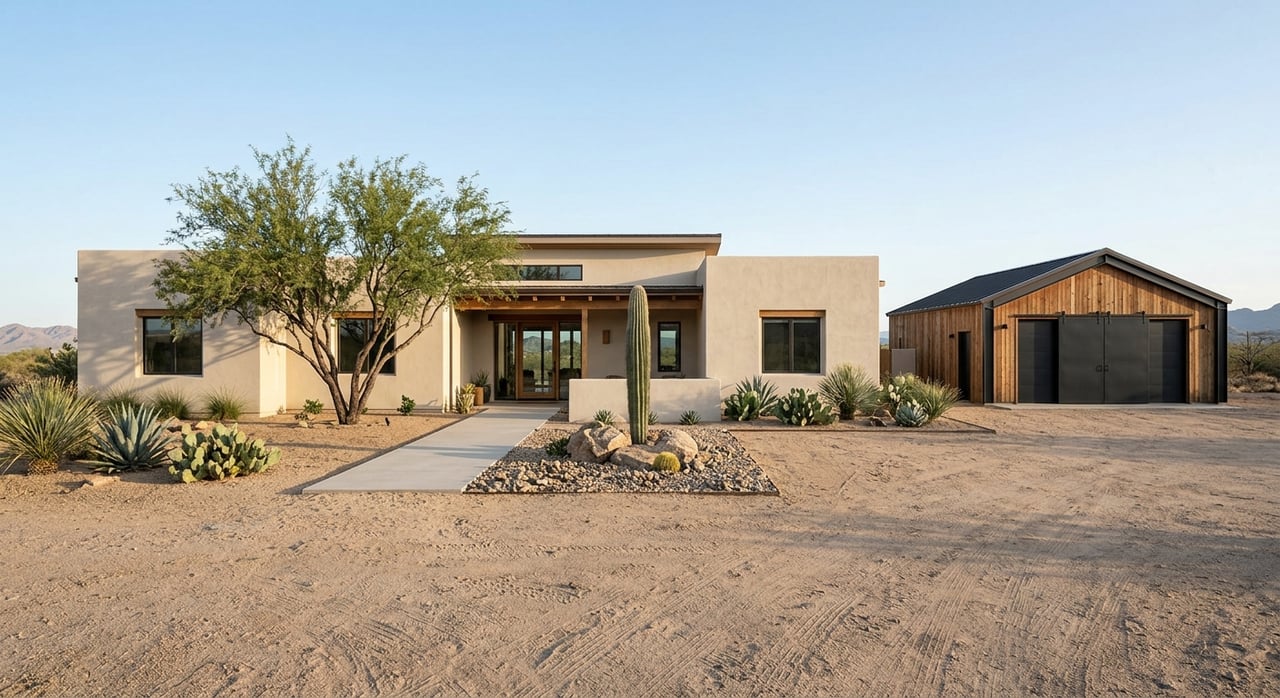
Big skies, extra elbow room, and the freedom to use your land your way are a big part of what draws buyers to Wittmann acreage. If you are dreaming about horses, a workshop, a garden, or simply more space between you and the next home, rural living here can feel like a real lifestyle upgrade. At the same time, desert acreage ownership comes with responsibilities that look very different from a typical subdivision. Here is what you should know before you buy or sell in Wittmann. Let’s dive in.
What Wittmann Acreage Living Feels Like
Wittmann is part of unincorporated Maricopa County, so county rules shape how land is used. That matters because rural zoning districts in the county include standards like RU-43, which requires 43,560 square feet per primary dwelling unit, along with larger rural districts at 70,000 and 190,000 square feet per dwelling unit.
In practical terms, that creates a lower-density setting with more room between homes than you would usually find in suburban neighborhoods. Nadaburg Unified School District also describes Wittmann as a rural area in northwest Maricopa County with a population of less than 10,000, which helps explain why the area feels so different from nearby growth corridors.
Wittmann is not frozen in time, though. Maricopa County adopted the updated White Tank Grand Avenue Area Plan in December 2023, and the county says that plan identifies land uses, services, infrastructure, and future growth patterns for the area.
Why Buyers Choose Desert Acreage
For many buyers, the biggest draw is flexibility. Rural zoning in Maricopa County recognizes uses tied to farm animals, gardens, orchards, vineyards, and equestrian-related accessory uses, which gives many acreage properties a practical live-work-play appeal.
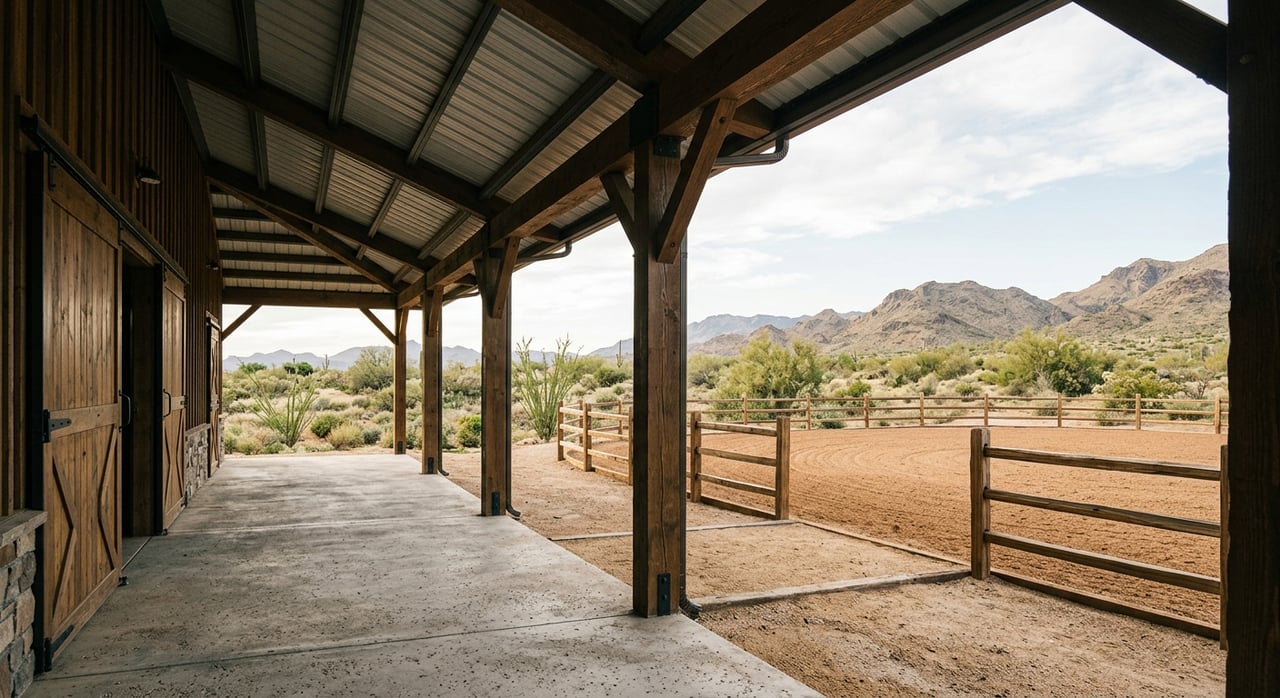
That can mean room for barns, corrals, trailers, hobby structures, equipment storage, or outdoor projects that may not fit on a smaller lot. If you want a property that supports your lifestyle instead of limiting it, Wittmann acreage often stands out.
Horse owners are especially drawn to this part of the market. Maricopa County guidance says rural districts permit a range of horse-related activities, although more intensive uses such as boarding stables, riding lessons, or large event facilities may require special-use approval.
What to Verify Before You Buy
The biggest mistake buyers can make is assuming all acreage works the same way. In Wittmann, the details of a parcel can shape your ownership experience just as much as the home itself.
Check Zoning and Allowed Uses
Start with zoning. A parcel may look ideal for horses, outbuildings, or expanded use, but the exact zoning district and any approval requirements matter.
This is especially important if you plan to do more than basic residential use. Some equestrian or agricultural activities may be allowed by right, while larger-scale uses may need special approval from the county.
Confirm Water Access
Water is one of the most important questions on any rural property. Arizona Department of Water Resources says a shared well may serve up to 14 service connections or 24 residents, and the well-sharing agreement is a private contract between the parties.
That means you should verify exactly how the property gets water and what agreements are in place. Do not assume the setup works like a standard municipal water connection.
Understand Septic Requirements
Many acreage properties rely on onsite wastewater systems. Maricopa County requires applications and approval for new septic systems, residential remodels on septic, and alterations to existing septic systems.
That makes septic a key part of due diligence. If you are buying an existing home or planning future improvements, you will want a clear picture of the current system and any county requirements tied to changes.
Look at Road Access
Road access can be more important than buyers expect. Maricopa County says it maintains paved and unpaved roads countywide, but not all roads in unincorporated county areas are county roads.
Some private unpaved roads may require maintenance or improvement. That can affect everyday convenience, vehicle wear, dust, and long-term upkeep costs.
The Real Tradeoffs of Rural Ownership
Wittmann acreage can offer privacy and breathing room, but it is not a maintenance-free version of desert living. Ownership often means taking a more active role in how your property functions day to day.
You may be managing driveway grading, dust, drainage, fencing, gates, and brush control in addition to normal home maintenance. On some properties, infrastructure is part of the lifestyle.
That is also why build costs and ownership costs should be looked at carefully. AFMA advises comparing county-related costs with nearby city or town costs, including permits, plan review, sewer and water fees, and impact fees, because rural does not automatically mean lower total cost.
Desert Climate Matters More on Acreage
The open-space lifestyle is a major part of Wittmann’s appeal, but it also means you live more directly with Arizona’s climate. The National Weather Service defines monsoon season as June 15 through September 30, and it notes that extreme heat is Arizona’s number-one weather-related killer.
Maricopa County lists wildfires, dust storms, extreme heat, flooding, and monsoon storms among its common hazards. On acreage, those risks feel more immediate because there is usually more land to maintain and fewer built-in neighborhood systems around you.
Maricopa County also recommends wildfire-safe landscape design and defensible space around homes. For many rural owners, brush management and smart outdoor maintenance are simply part of responsible ownership.
Services and Nearby Community Context
One thing many buyers notice quickly is that Wittmann has a different service profile than incorporated cities. Emergency coverage in the area is regionally organized, and the Arizona Fire & Medical Authority identifies a Wittmann fire station at 21720 Harding Avenue.
The school footprint also reflects the area’s rural character. Nadaburg Unified School District covers 154 square miles of northwest Maricopa County and includes schools in Wittmann such as Nadaburg Elementary School and Mountainside High School.
That rural context is part of what sets Wittmann apart from nearby places. Surprise and Buckeye are much larger and more suburban, while Wickenburg is a smaller town. Wittmann continues to feel more open and less dense, which is exactly what many acreage buyers are looking for.
What Sellers Should Highlight
If you are selling a Wittmann acreage property, buyers usually want more than square footage and bedroom count. They want to understand how the land works.
Clear information about water source, septic setup, road access, fencing, usable space, and any horse or hobby features can help your property stand out. Buyers in this segment tend to be practical, and strong details build confidence.
It also helps to position the property honestly. The right buyer is often looking for space, flexibility, and rural function, but they also want a realistic picture of upkeep, access, and county rules.
Why Local Guidance Helps
Acreage properties are rarely one-size-fits-all. Two homes with similar lot sizes can have very different value based on zoning, access, water setup, usability, and improvements.
That is where local market knowledge matters. When you are buying or selling in a rural area like Wittmann, it helps to work with someone who understands horse property, acreage considerations, and the questions that matter before a deal moves forward.
If you are considering a move to Wittmann or thinking about selling desert acreage in the area, Wendy Wright can help you navigate the details with practical local insight and responsive guidance.
FAQs
What does rural zoning mean for acreage in Wittmann?
- Rural zoning in unincorporated Maricopa County generally means lower-density lot patterns and potential flexibility for uses like farm animals, gardens, orchards, vineyards, and some equestrian-related accessory uses, depending on the parcel and zoning district.
What should buyers confirm about water on a Wittmann acreage property?
- You should confirm the exact water source, whether the property uses a shared well or another setup, and what private agreements apply if a shared well is involved.
What should buyers know about septic systems in Wittmann?
- Many acreage properties rely on septic, and Maricopa County requires applications and approval for new systems, certain remodels on septic, and alterations to existing systems.
What should buyers ask about road access on desert acreage in Wittmann?
- You should ask whether access roads are county-maintained or private, because private unpaved roads may require maintenance or improvement.
What kind of horse use is allowed on acreage in Wittmann?
- Maricopa County permits a range of horse-related activities in rural districts, but more intensive uses like boarding stables, riding lessons, or large event facilities may require special-use approval.
How is Wittmann different from nearby Surprise, Buckeye, or Wickenburg?
- Wittmann is described locally as a rural area with a population of less than 10,000, so it generally offers a lower-density lifestyle and a different service profile than larger suburban cities nearby.